Hallmark Media
When Calls the Heart, PRODUCTION DESIGN, HallmarK
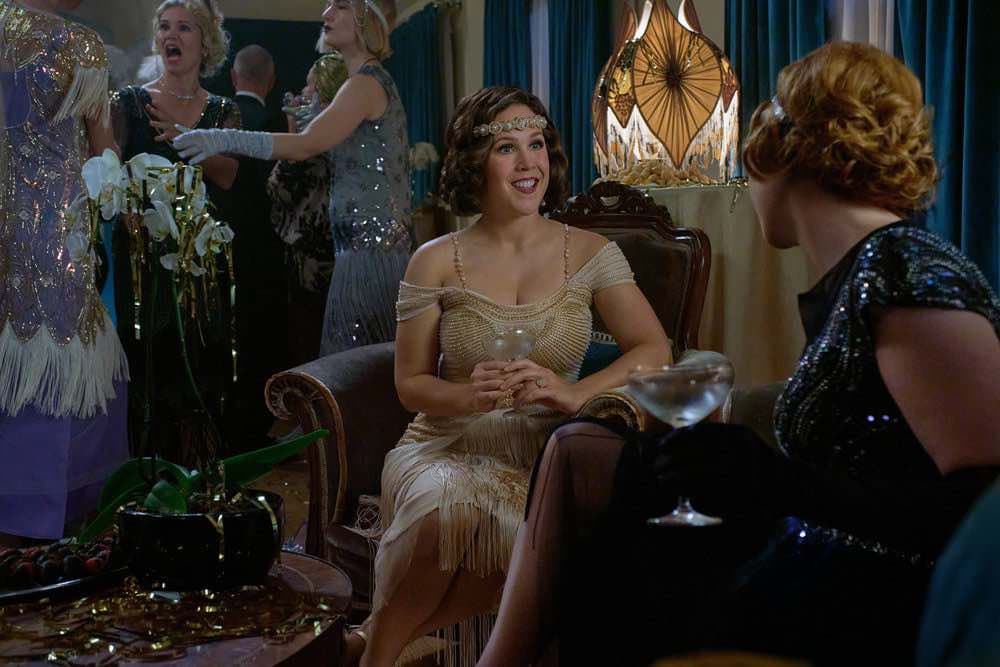
Season 12 of When Calls the Heart is taking Hope Valley into the roaring twenties, and the show’s production design plays a key role in bringing this time of transformation to life. With flappers, jazz, and Art Deco style defining the decade, Production Designer Sarah Mabberley has the challenge of balancing historical accuracy with Hope Valley’s signature charm.
“The 1920s really is one of my all-time favorite eras of design,” Sarah shares. “There are so many different aspects to it that we can use within our world. You have to keep in mind that not everyone in this era was living the high life in NYC amongst gilded skyscrapers, so I’ve enjoyed going deeper into what we may have seen in the ‘Hope Valleys’ of the time.”
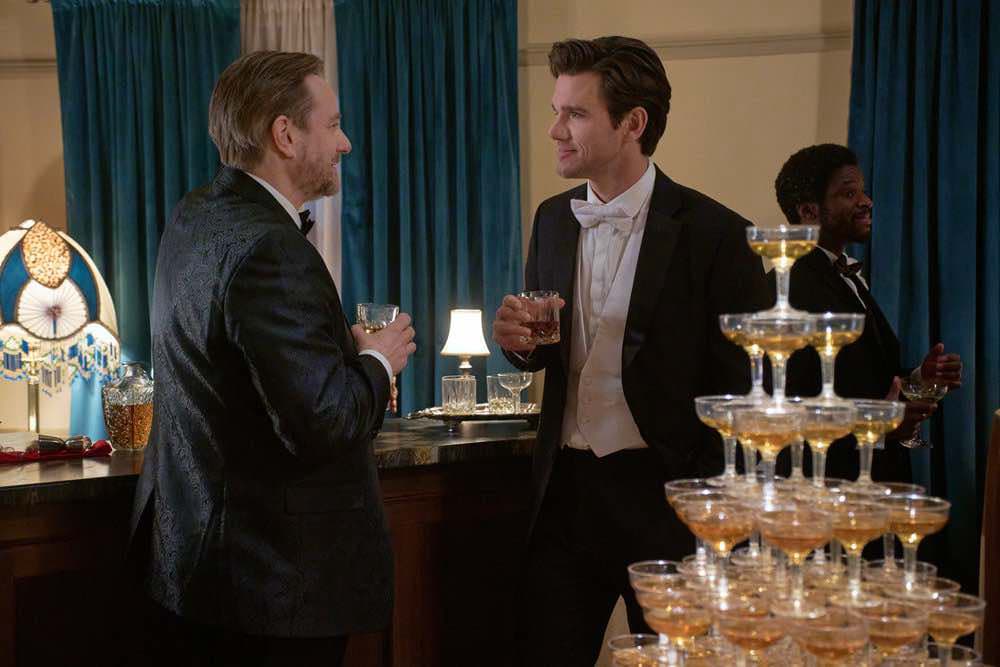
Rather than making sudden, dramatic changes, Sarah is approaching this transition with care. “We are slowly entering this time of creative exploration and change, and so I find it important to not throw it all in at once. We want to be able to grow as each season begins and ends. What I find interesting is how we’re able to weave that into our story and the arcs of our characters.”
New influences are creeping into Hope Valley in ways both big and small. “Our town is certainly not isolated. The train is now playing a huge role in our story, as is the radio, and so you have to allow for the influence to seep into our world through the eyes of our townsfolk who are excited, nervous, hesitant to be accepting this new change into their homes.”
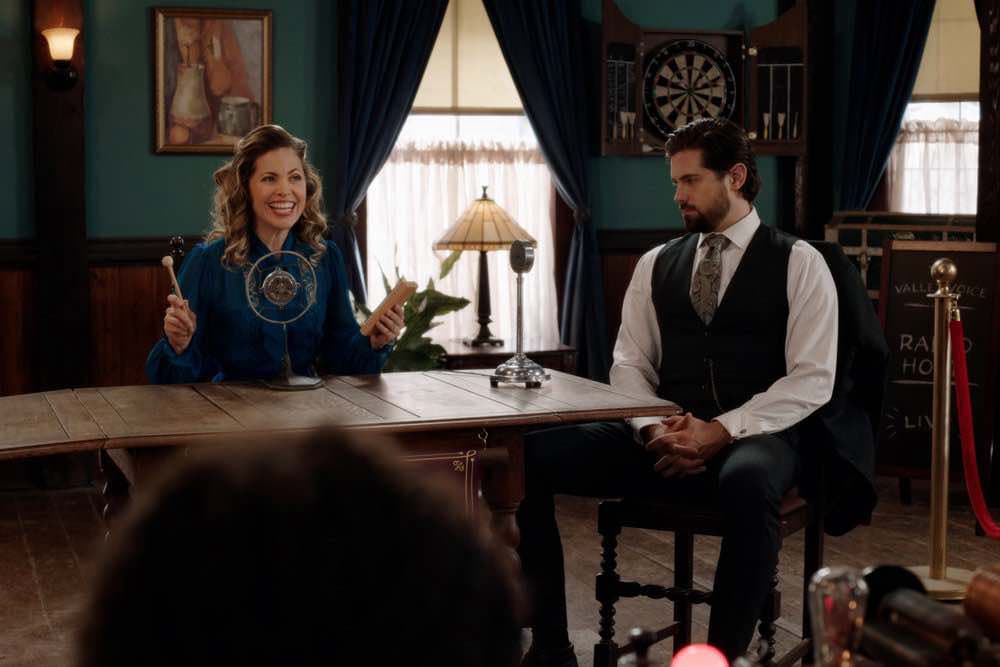
Fans can expect to see the younger generation leading the way. “Our younger characters are helping to carry these new ideas in, whether through music, dance, clothing, and now as we start venturing out, I get to bring in those early design elements that we are so familiar with seeing—the colors, the angles of construction, the opulence of the furniture and lighting fixtures, and overall the excitement of uncharted territory.”
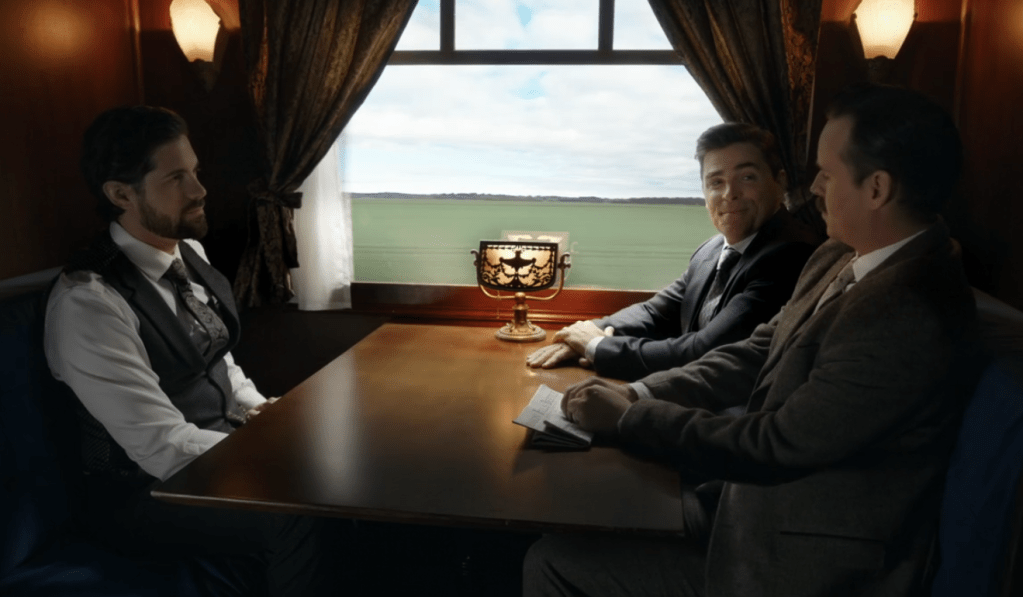
But the most exciting design element of the season so far? The train.
“The train was definitely the biggest achievement this season.” Sarah’s team assembled it in the saloon. Measuring 24 feet long with a 3’ wide hallway and a 7’ by 7’ dining car, it took her time the entire month of prep to draft and work through the logistics of how it was going to work. Then, it took three weeks, if not more, to actually build the train. A green screen was used on a tilted window that wouldn’t show a glare on the cameras and the walls and ceiling were removable to allow for lighting and camera work when needed.“I’m so, so happy with what we were able to accomplish, as well as what it means to our storylines, present and future.”
In addition to major set pieces like the train, she is especially fond of one meaningful tribute that fans can look forward to. “One of my favorite little Easter eggs appears on a set, and it may not seem like much, but it is a tribute to Neill Fearnley, who we sadly lost last summer. He is not only the heart of WCTH but played a huge role in my story as well, so we were able to put his name on something and for me, when you see what it is, it truly is like he is a heartbeat.”
As Season 12 continues, fans will see Hope Valley continue to evolve while still maintaining its heart. “At the core of its design, Hope Valley is a home, and you don’t go around redesigning your home every year. So to expect unnecessary, aesthetically based changes is not something I wish to do unless character- or script-motivated!”
Sarah promised to join for a live chat further into the season when more can be revealed about the design choices for the season. With seven episodes still ahead, there’s much more of this new era waiting to unfold and I can’t wait to see what’s ahead!
 Heart In Motion Media
Leave a comment